How to Start a Hobby Without the Pressure to Monetize Your Craft
In a culture obsessed with side hustles, we often feel pressured to turn every creative interest into a stream of income. However, engaging in hobbies solely for personal joy—without the goal of profit—is essential for sustaining long-term mental well-being. This guide explores how to reclaim your leisure time by detaching your self-worth from productivity and rediscovering the restorative power of play.
Key Takeaways
- Understand why the "side hustle culture" can strip the joy out of creative endeavors.
- Learn strategies to protect your hobbies from the pressure of perfectionism.
- Discover the neurological benefits of engaging in "low-stakes" play.
- Learn how to set boundaries between your professional identity and personal interests.
- Recognize when to keep a hobby private versus when to share it with a community.
The Trap of Monetization
Every time we pick up a paintbrush, a camera, or a set of knitting needles, there is a nagging voice in the back of our heads asking, "Could I sell this?" This is the side-hustle trap. When we view every skill acquisition through the lens of potential profit, we fundamentally change our relationship with that activity. What was once an escape becomes another "job" that requires consistent output, audience engagement, and financial targets.
The danger here is not just burnout; it is the loss of a safe harbor. Your brain needs a place where it can fail, experiment, and be messy without consequence. If every creative output is tied to a marketplace, you stop taking creative risks for fear of losing money or professional reputation. The key to maintaining a healthy hobby is to consciously designate specific activities as "for me only" zones.
Separating Identity from Output
To avoid the monetization trap, you must decouple your identity from your production. You are not your craft; you are a person experiencing life. When you engage in a hobby, the goal should be process-oriented, not outcome-oriented. Ask yourself: Do I enjoy the movement of my hands while doing this? Do I feel lighter afterward? If the answer is yes, the hobby is serving its purpose, regardless of whether the final result is "sellable" or even "good" by external standards.
Creating Low-Stakes Spaces
A low-stakes space is a psychological environment where the pressure to perform is intentionally removed. You can create this by establishing rules for your hobbies that prioritize presence over perfection. For example, if you decide to take up watercolor painting, consider setting a rule that none of your paintings will ever be posted on social media or shown to anyone else.
By removing the audience, you remove the critic. Social media has trained us to seek validation for our creative output through likes and shares. When you remove that feedback loop, you are forced to confront your own relationship with the activity. You will find that you are often far more creative and experimental when you aren't playing to a digital gallery.
The Science of Play
Adults often forget that play is not just for children—it is a physiological necessity. Engaging in hobbies that are purely for fun triggers the release of dopamine and reduces cortisol, the stress hormone. When you stop worrying about "maximizing" your time and start "wasting" it on things that bring you happiness, you are actually investing in your cognitive longevity.
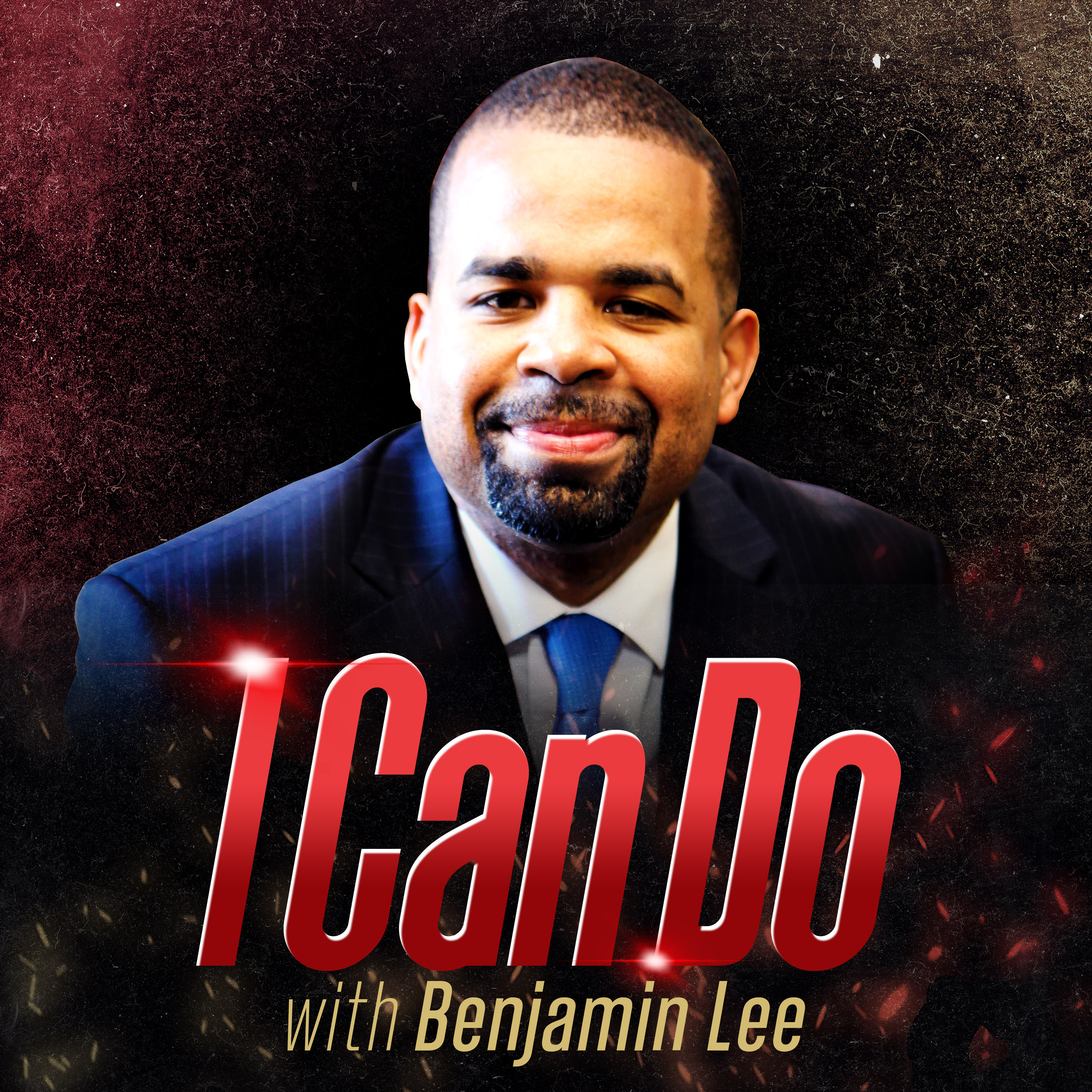
Benjamin Lee and Tanya DePeiza discuss the importance of keeping hobbies simple. When you strip away the need for ROI (return on investment), you allow your brain to enter a "flow state" much faster. This flow state is where true mental restoration happens. It allows your mind to decompress from the rigid structures of the workplace, leading to increased creativity in other areas of your life as well.
Building a Sustainable Mindset
To keep your hobbies healthy, you must be a gatekeeper of your own time. This means declining invitations to turn your passion into a business or saying "no" to sharing your work on platforms that make you feel self-conscious. It is about honoring your own joy.
If you find yourself feeling guilty about spending time on a hobby that "doesn't produce anything," remind yourself that your mental health is a productive asset. You cannot be the high achiever you want to be if you are constantly depleted. A hobby is a refueling station, not a production line. For more insights on balancing your life and finding the right mindset to keep going, Listen to the full episode. Embracing these practices will help you reclaim your creativity and protect your peace in an increasingly demanding world.
Frequently Asked Questions
Is it wrong to want to monetize a hobby?
Not at all, but it is important to have at least one hobby that remains completely "non-commercial" to protect your mental health and creative spark from the stress of business.
How do I stop comparing my hobby to others on social media?
Try the "no-share" policy. Commit to keeping your hobby private for three months to see if your enjoyment increases when you stop comparing your beginning to someone else's middle.
How can I make time for a hobby when I'm already busy?
Start with "micro-hobbies." Dedicate just 15 minutes a day to something you enjoy. It’s not about the total time spent, but the consistency of the joy you derive from that small window.